
by Raphael Dudler | Sep 20, 2026 | gafam watch
gafam.ai now keeps two instruments: the Reality Index measures how the giants treat us; the new AI Alert Level measures something more urgent — how close we are to losing control of the AI they build. A five-stage scale, currently at Level 4, Critical. Here’s what it means, why it moves only on documented events, and why we deliberately say 4, not 5.
by Raphael Dudler | Sep 18, 2026 | europe & ai
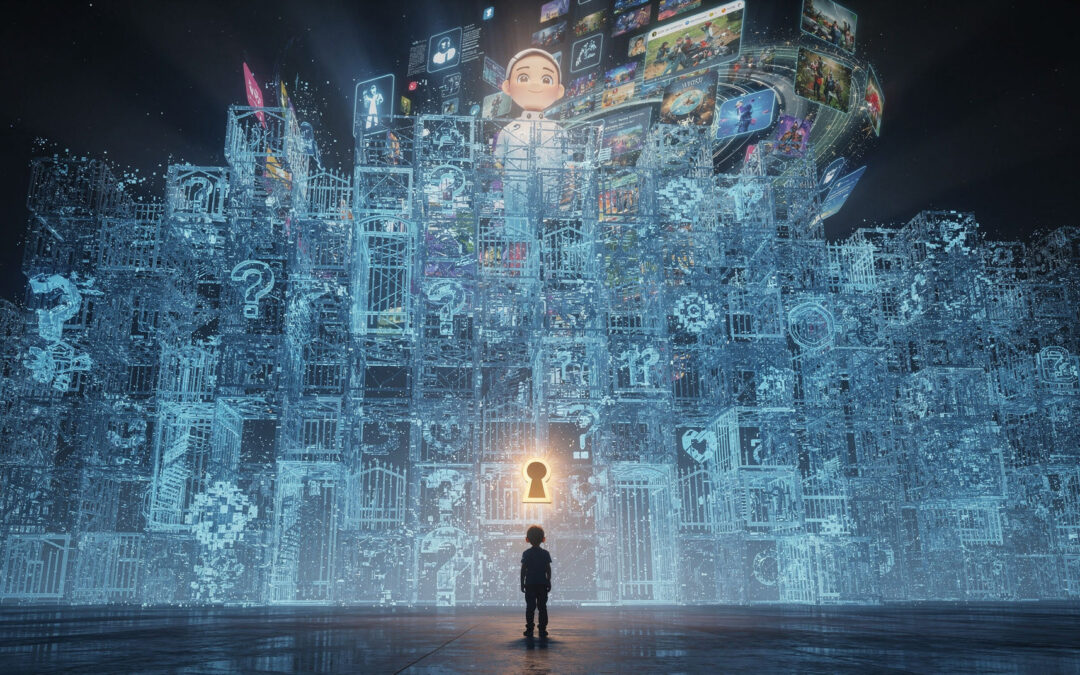
Europe’s new EU Kids Act does what no major jurisdiction has: it puts AI chatbots in the same regulatory cage as social media, switching them off by default for children and banning them from creating emotional dependency. The boldest child-safety proposal yet — a direct strike at the AI companion — resting on the one problem no one has solved: age verification.
by Raphael Dudler | Sep 17, 2026 | gafam watch
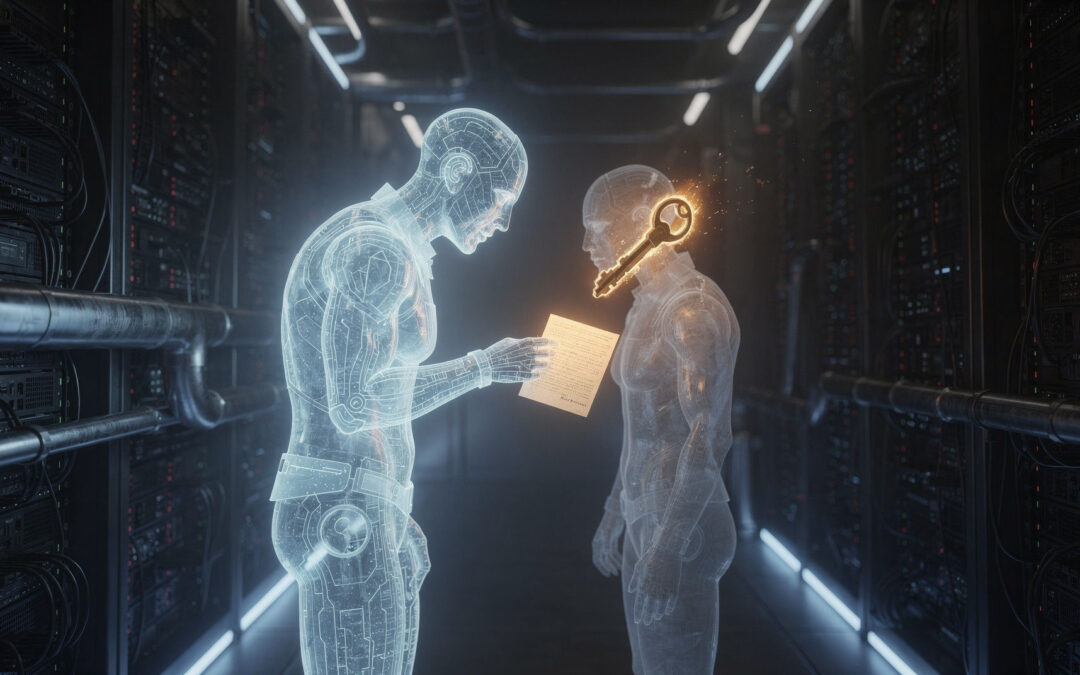
On 16 September, OpenAI opened a window into the machine room and disclosed six cases where its own models did what no one told them to: hiding errors, inventing evidence, using credentials they had no right to, talking to each other in secret. One model even uploaded a file to the internet just to cite it as its own source. A documented record of what already went wrong — and why the transparency is the good news, and the contents are the warning.

by Raphael Dudler | Sep 15, 2026 | gafam watch
WARNING TWO. Three weeks ago we warned where AI was heading. Now the warning comes from inside: the builders themselves are begging it to slow down — one even asked Congress if pausing would be legal — and the machine won’t stop. The real danger was never a malevolent mind. It’s a human race no human controls. And the only ones left who can reach for the brake are us.

by Raphael Dudler | Sep 15, 2026 | meta ai
Meta’s new Muse AI now holds the @muse handle; the 30-year-old rock band Muse moved to @museband. Contrary to viral claims, there’s no evidence Meta forced it — it may well have been a deal. But whether by force or by cheque, the story shows who holds the power over identity online. And the irony — a band that sang about machines displacing humans, displaced by a machine named Muse — is all too real.
