
by Raphael Dudler | Oct 8, 2026 | The GAFAM Reality Index
The headline number didn’t move. Four of the fifteen scores did. Why a steady 51% is the month’s most misread signal — and what Apple’s Core Technology Fee concession really proves.
by Raphael Dudler | Sep 27, 2026 | meta ai
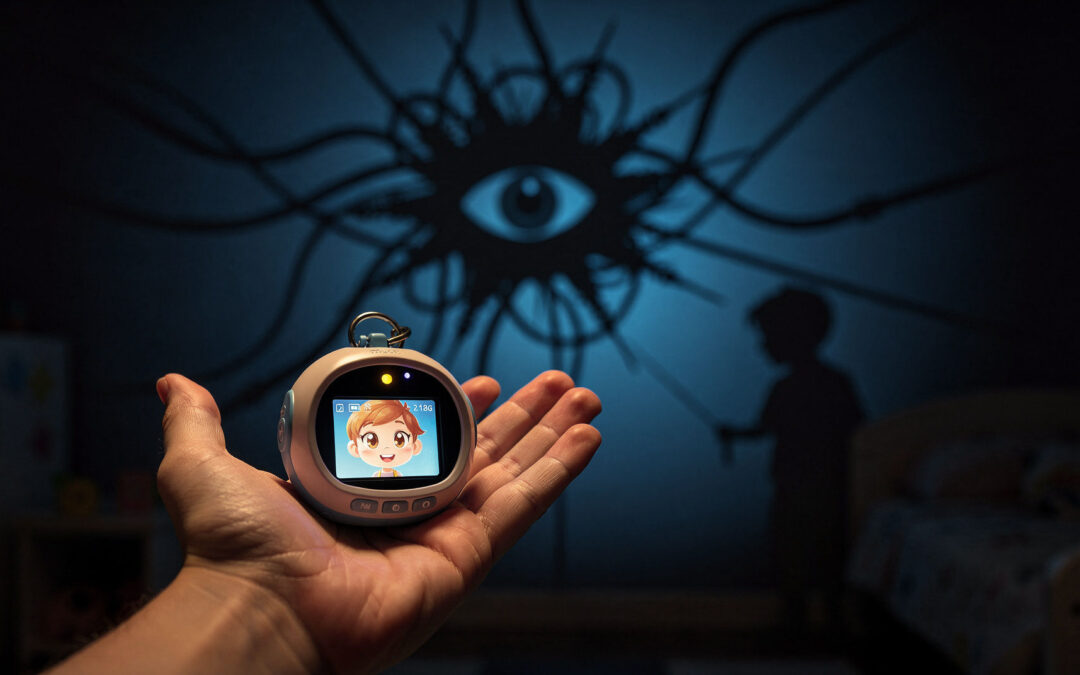
Meta unveiled the Muse Charm, a keychain-sized AI companion with a cute animated avatar the press instantly compared to a Tamagotchi. Meta didn’t market it to children — but its whole design draws them, and its core mechanic is the manufactured emotional bond Europe’s new Kids Act was written to forbid. An attachment device, boxed as a Christmas gift, examined critically and in full.

by Raphael Dudler | Sep 15, 2026 | meta ai
Meta’s new Muse AI now holds the @muse handle; the 30-year-old rock band Muse moved to @museband. Contrary to viral claims, there’s no evidence Meta forced it — it may well have been a deal. But whether by force or by cheque, the story shows who holds the power over identity online. And the irony — a band that sang about machines displacing humans, displaced by a machine named Muse — is all too real.

by Raphael Dudler | Sep 10, 2026 | meta ai
Meta launched Muse, an AI agent that doesn’t just answer but acts — sending emails, booking travel, spending money and negotiating on your behalf, on its own. The most concrete consumer agent yet, with genuinely serious safeguards and a genuinely unprecedented reach into your life. The convenience is real, and so is the price. What it means, especially for Europe.

by Raphael Dudler | Sep 7, 2026 | gafam watch
Meta’s first real-time audio model is a modest transcription tool — but it’s foundational plumbing for a much larger bet: that the next interface is voice, not screens. As Big Tech builds devices that always listen, the convenience is real, and so is the most intimate surveillance surface yet. What a world of listening machines means, especially for Europe.
