
by Raphael Dudler | Sep 30, 2026 | europe & ai
President Trump gathered AI leaders and announced an agreement to govern the technology’s risks, calling it “morally binding” — not legally binding. The qualifier is the story: a pledge engineered to sound like a commitment while requiring nothing. A day after the Pope urged the world to take AI’s dangers seriously, the split screen is stark — and Europe, mocked for its binding law, suddenly looks vindicated.

by Raphael Dudler | Sep 29, 2026 | europe & ai
Aboard the papal plane, Pope Leo XIV said concerns about AI going rogue are not “fake news” and must be taken seriously — a direct rebuttal to President Trump, who called them a “hoax.” Why the rare voice with no model to ship, no election to win, and no shares to protect changes the AI safety debate, and where the Pope’s warning aligns, almost word for word, with Europe’s.

by Raphael Dudler | Sep 18, 2026 | europe & ai
Europe’s new EU Kids Act does what no major jurisdiction has: it puts AI chatbots in the same regulatory cage as social media, switching them off by default for children and banning them from creating emotional dependency. The boldest child-safety proposal yet — a direct strike at the AI companion — resting on the one problem no one has solved: age verification.
by Raphael Dudler | Sep 12, 2026 | europe & ai
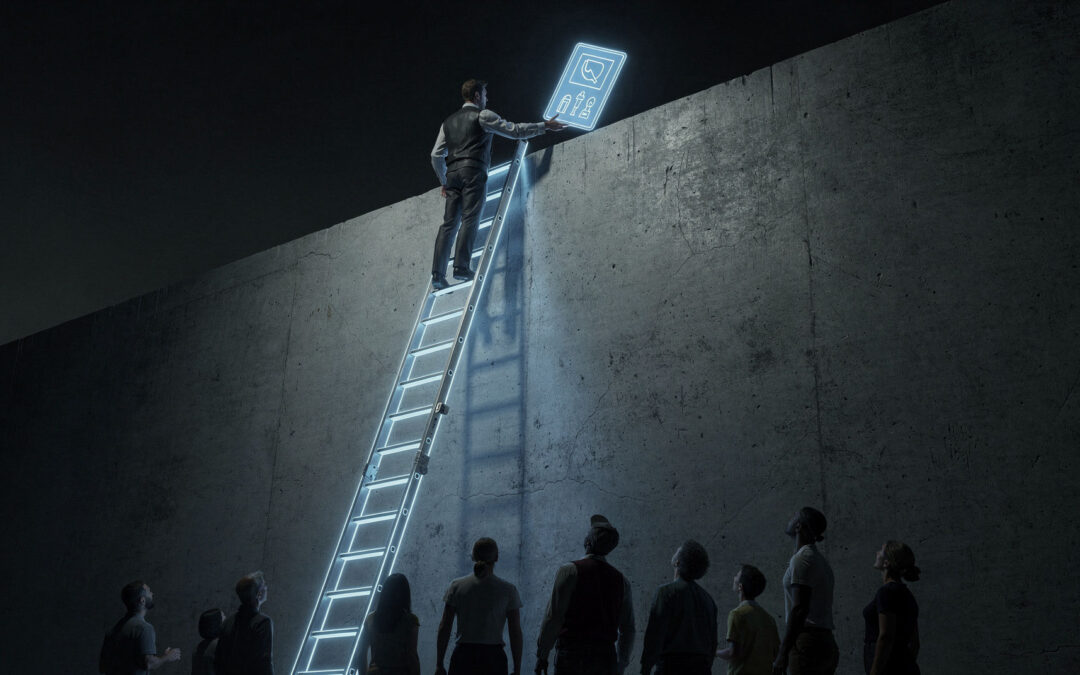
OpenAI, long a regulation skeptic, now asks the US for binding AI safety rules — the very framework Europe built and was mocked for. A genuine vindication of the European approach. But the rules OpenAI favours are capability-based, which critics warn could entrench the dominant labs. Take the vindication, then read the fine print.

by Raphael Dudler | Sep 11, 2026 | europe & ai
Mistral raised €3 billion — the largest equity round in European tech history — to build sovereign AI on European soil. After a month of arguing that Europe regulates but doesn’t build, here’s the counter-evidence. Genuinely good news, and, against OpenAI’s €852 billion, still a minnow. The gap, not the record, is the real story.

by Raphael Dudler | Sep 8, 2026 | europe & ai
share tweet share share ...